
Swayambhunath
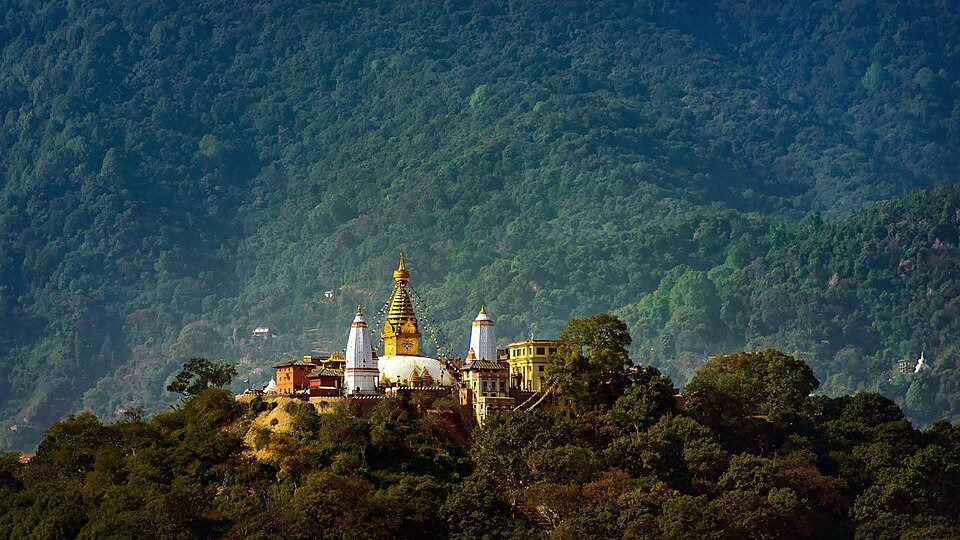
According to ancient legend, the Kathmandu Valley was once a giant lake. In the middle of this lake bloomed a radiant lotus, glowing with divine light. The Bodhisattva Manjushri, seeing this light, drained the lake by cutting the gorge at Chobar. As the waters receded, the lotus settled on a hill, and that sacred spot became Swayambhunath, also known as the Monkey Temple. The name itself means “self-existent” or “self-created.”
Historically, the stupa dates back to the 5th century, when King Manadeva constructed the earliest version of the shrine. Through the Licchavi and Malla periods, the stupa gained further importance, with rulers expanding and renovating the structure. Even after devastating earthquakes, including the one in 2015, Swayambhunath has been carefully restored and preserved. Recognized as a UNESCO World Heritage Site, it stands as a symbol of resilience, devotion, and Nepal’s rich cultural and religious heritage.
For first-time visitors, Swayambhunath offers much more than just a temple tour. It is a place where history, art, religion, and breathtaking views of the valley come together. In this ultimate guide, we will uncover its fascinating history, unique architecture, surrounding shrines, festivals, opening hours, entry fees, travel tips, and how you can make the most of your visit.
The Legendary History of Swayambhunath
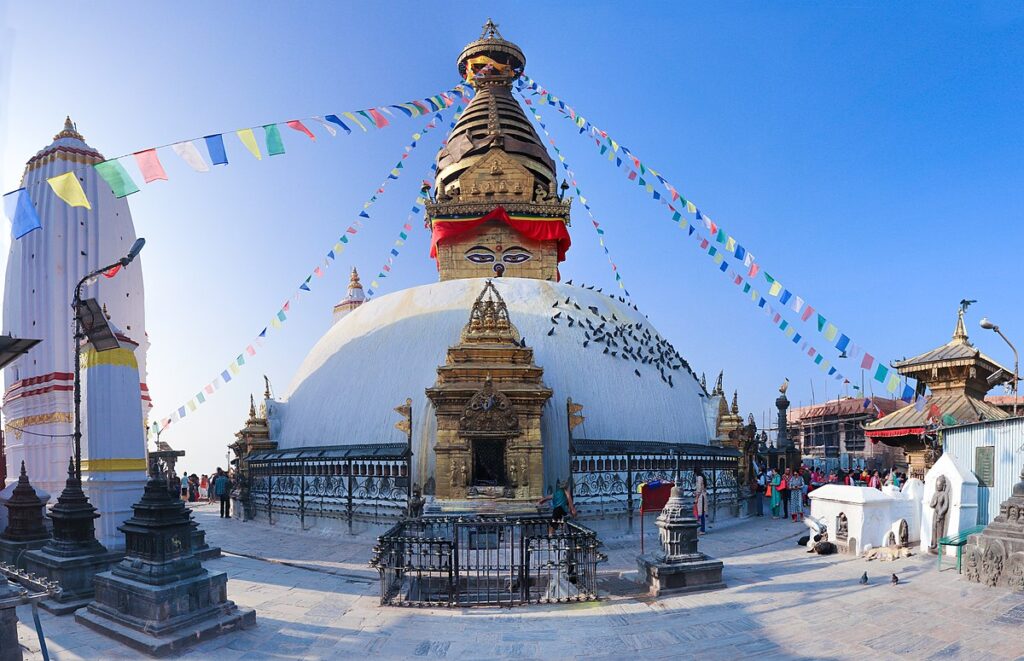
According to ancient legend, the Kathmandu Valley was once a giant lake. In the middle of this lake bloomed a radiant lotus, glowing with divine light. The Bodhisattva Manjushri, seeing this light, drained the lake by cutting the gorge at Chobar. As the waters receded, the lotus settled on a hill, and that sacred spot became Swayambhunath. The name itself means “self-existent” or “self-created.”
Historically, the stupa dates back to the 5th century, when King Manadeva constructed the earliest version of the shrine. Through the Licchavi and Malla periods, the stupa gained further importance, with rulers expanding and renovating the structure. Even after devastating earthquakes, including the 2015 quake, Swayambhunath has been restored time and again—standing as a symbol of resilience, devotion, and cultural harmony.
Religious and Cultural Significance
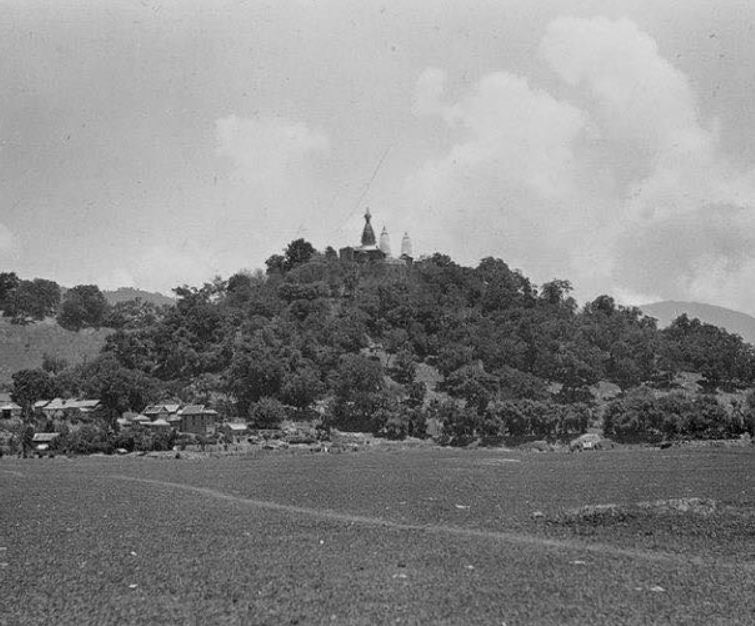
Swayambhunath is a rare example of religious harmony in Nepal. For Buddhists, it is one of the holiest stupas, symbolizing the journey towards enlightenment. Tibetan monks often circle the stupa, chanting mantras and spinning prayer wheels. For Hindus, it is equally sacred, especially because of the Harati Mata Temple dedicated to the goddess who protects children.
This unique coexistence makes Swayambhunath more than just a tourist attraction—it is a living, breathing center of devotion.
Architectural Wonders of Swayambhunath
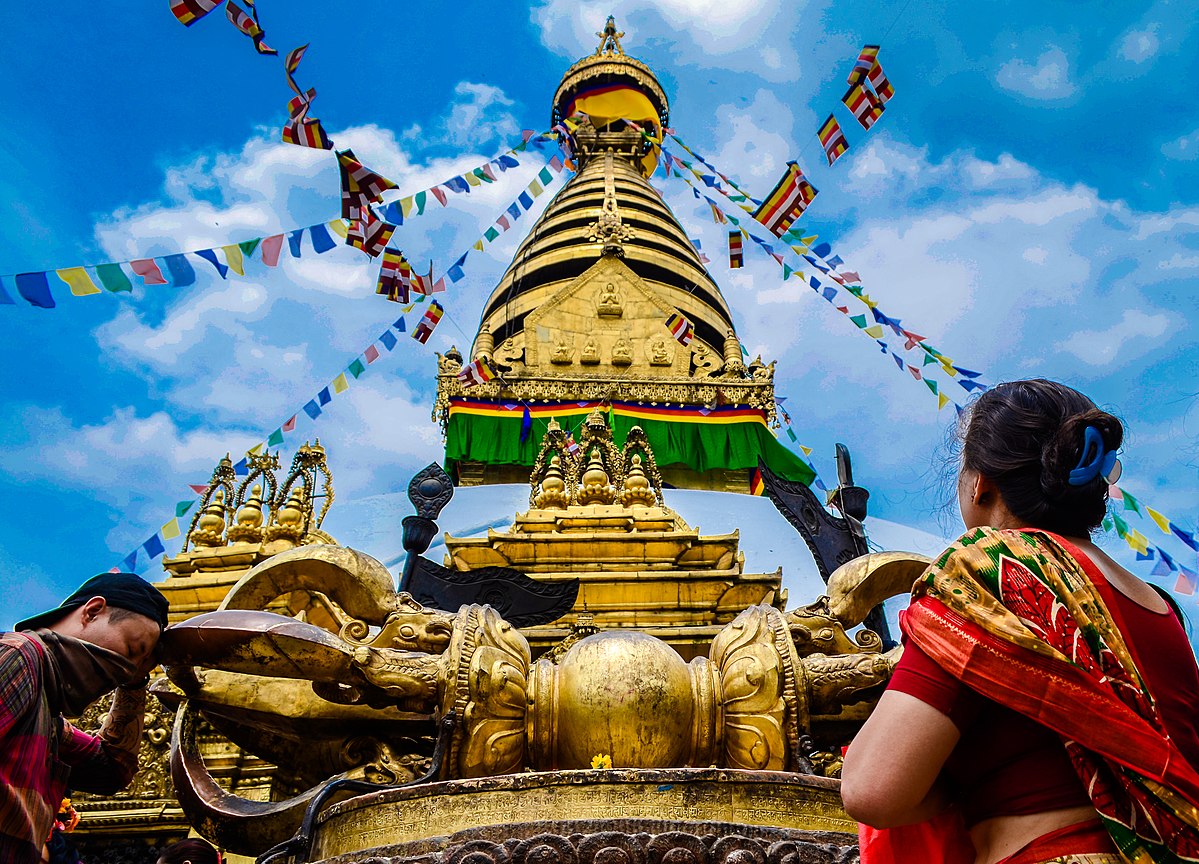
The design of the stupa is deeply symbolic:
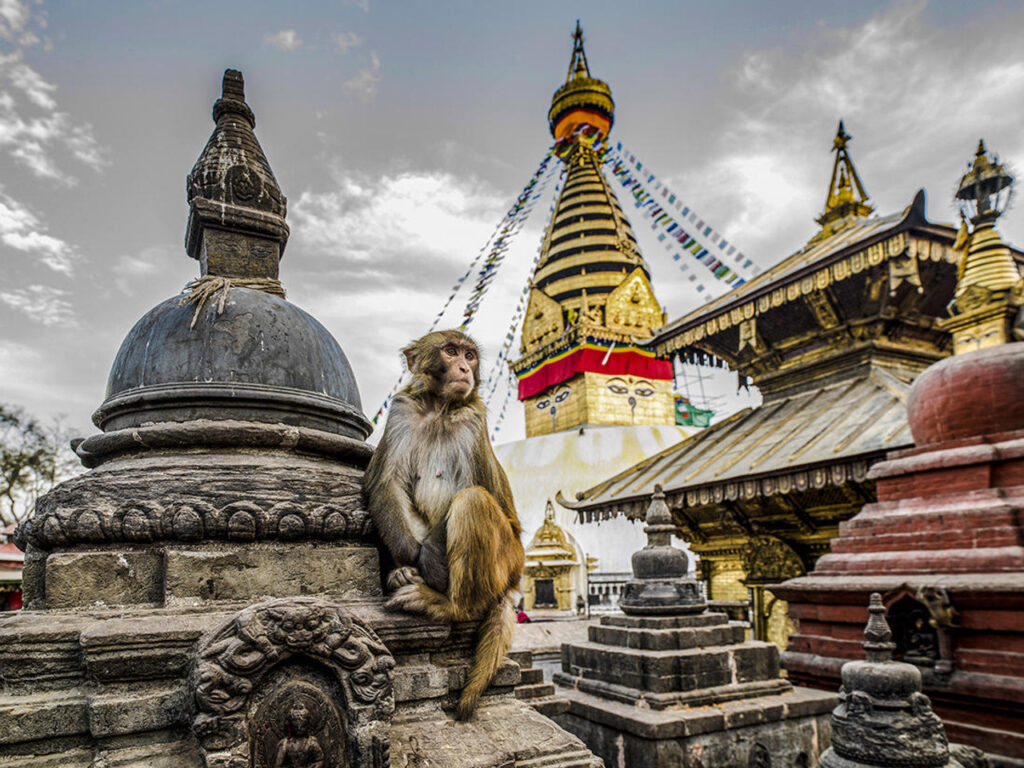
- White Dome: Represents the world.
- Golden Spire: Rising above the dome, it symbolizes 13 steps to enlightenment.
- All-Seeing Eyes of Buddha: Painted on all four sides, they represent wisdom and compassion. The nose-like symbol is the Nepali numeral “1,” symbolizing unity.
- Prayer Wheels: Around the base, inscribed with the mantra “Om Mani Padme Hum,” spun clockwise for merit.
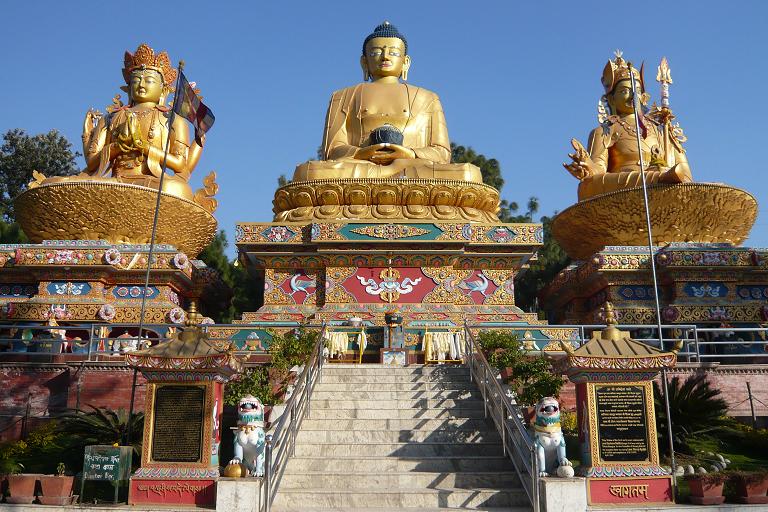
- Surrounding Shrines: Numerous small stupas, statues, and temples enrich the complex.
What to See at Swayambhunath
- The Main Stupa: The heart of the complex.
- Harati Mata Temple: Beloved by mothers seeking blessings for their children.
- Tibetan Monasteries: Home to vibrant prayer flags and chanting monks.
- Monkey Habitat: Hundreds of playful monkeys, adding life to the temple.
- Viewpoints: Unmatched panoramic views of Kathmandu Valley—sunrise and sunset are magical.
Tourist Guide
Best Time to Visit
- Spring (Mar–May): Clear skies and blooming flowers.
- Autumn (Sep–Nov): Festival season and best for photography.
- Early Morning or Sunset: Peace, meditation, and stunning city views.
- Winter (Dec–Feb): Cool, dry weather with fewer crowds.
- Buddha Jayanti (Apr/May): Major festival with prayers and rituals.
- Monsoon Breaks (Jul–Aug): Lush greenery and dramatic skies after rain.
- Full Moon Days: Spiritual atmosphere with special prayers and rituals.
- Evening Lighting: The stupa looks magical when butter lamps are lit.
- Weekdays: Less crowded compared to weekends, ideal for quiet visits.
Travel Tips for Visitors
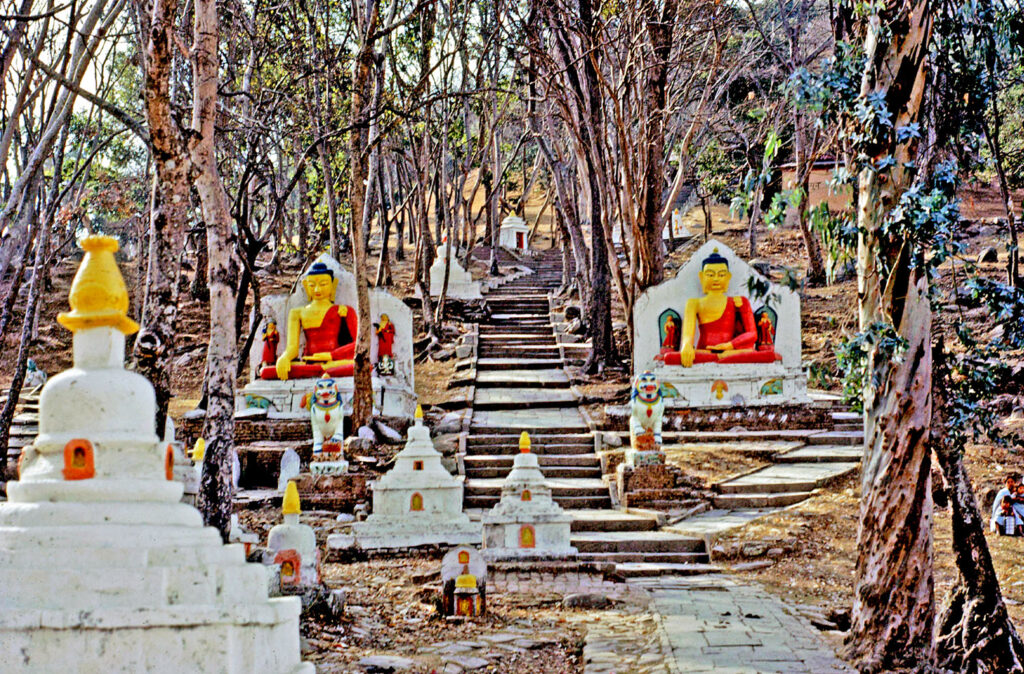
- Prepare for the Climb: 365 steep steps lead to the stupa—walk slowly and carry water.
- Respect Customs: Always walk clockwise and spin prayer wheels in the same direction.
- Dress Modestly: Comfortable but respectful clothing is advised.
- Beware of Monkeys: Keep food hidden—they’re cheeky but sacred here.
- Remove Shoes: Required inside smaller shrines.
- Photography: Allowed, but respect devotees.
- Hire a Guide: For deeper cultural insights.
- Combine with Other Sites: Pair with Kathmandu Durbar Square
How to Reach
- By Taxi (from Thamel): 10–15 minutes
- By Walk (from Thamel): 30–40 minutes uphill
- By Local Bus (from Thamel): Budget-friendly but less comfortable (around 20–25 minutes depending on traffic)
- From Tribhuvan International Airport (KTM):
- By Taxi: Around 20–25 minutes (depending on traffic)
- By Local Bus/Van: Cheaper option, but it may take 40–50 minutes with transfers
Opening Hours & Entry Fees
- Opening Hours: 5:00 AM – 7:00 PM daily
- Entry Fees:
- Foreigners: NPR 200
- SAARC Nationals: NPR 50
- Locals/Pilgrims: Free
Festivals at Swayambhunath
- Buddha Jayanti (Apr/May): Celebrating Lord Buddha’s birth.
- Lhosar (Tibetan New Year): Filled with rituals, songs, and dances.
- Gunla (Aug): Newar Buddhist festival with music and offerings.
Personal Travel Experience
The climb to Swayambhunath may test your stamina, but the journey is as beautiful as the destination. Prayer wheels spin softly, monks chant with calm voices, and colorful prayer flags dance with the breeze. At the top, standing before the great stupa with Buddha’s eyes gazing in all directions, you feel both small and connected to something eternal. Watching the sun sink behind the mountains while Kathmandu city glows below—it’s an unforgettable moment.
Conclusion
Swayambhunath is not just a stupa. It is history carved into stone, faith painted into eyes, and spirituality flowing in the wind. Visiting this sacred hilltop is an immersion into Nepal’s cultural soul. For pilgrims, travelers, and photographers alike, the Monkey Temple remains a must-see highlight of Kathmandu.
The temple represents the fusion of faith and culture, showing how deeply Hinduism is intertwined with Nepalese identity. It is not only a place for worship but also a center of art, music, philosophy, and traditional values.