
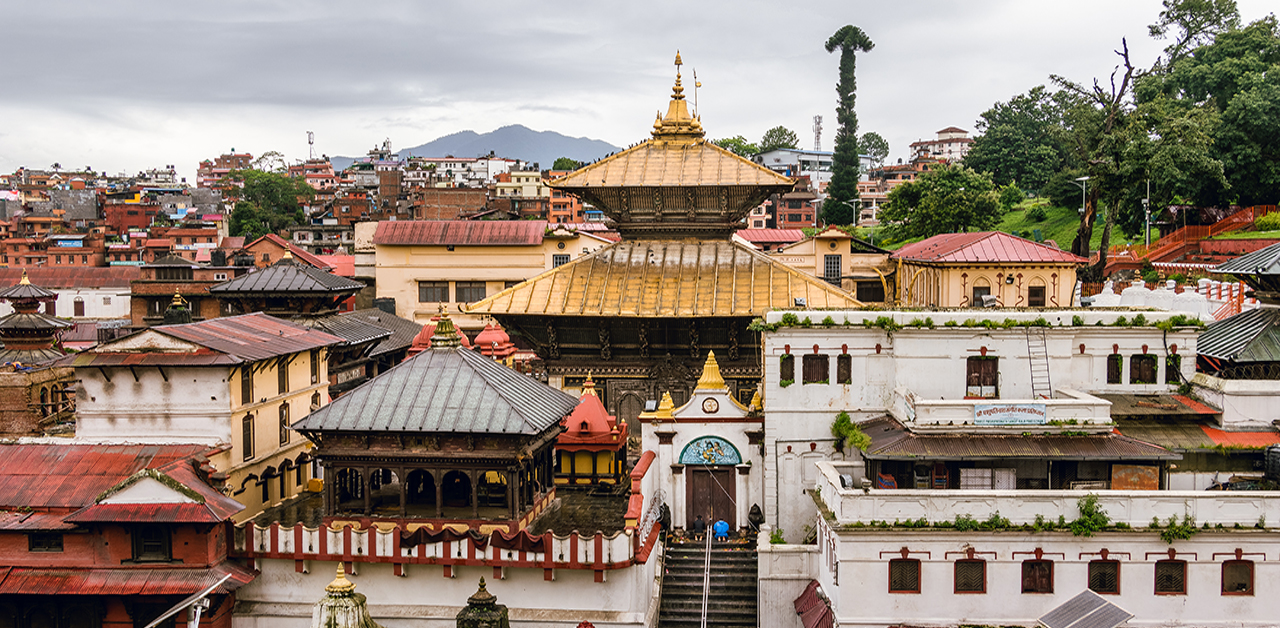
Introduction of Pashupatinath Temple
Pashupatinath Temple is one of the most revered Hindu temples in the world, located on the banks of the Bagmati River in Kathmandu, Nepal. Dedicated to Lord Shiva, worshiped here in his form as Pashupati, the “Lord of All Beings,” the temple attracts thousands of devotees, pilgrims, and travelers every year. Recognized as a UNESCO World Heritage Site, Pashupatinath is not only a center of faith but also a symbol of Nepal’s cultural and historical identity.
For Hindus across the globe, visiting Pashupatinath Temple is a spiritual journey of devotion and salvation. For travelers, it is an experience that combines religion, architecture, festivals, and cultural traditions all in one place and most visited place in Nepal.
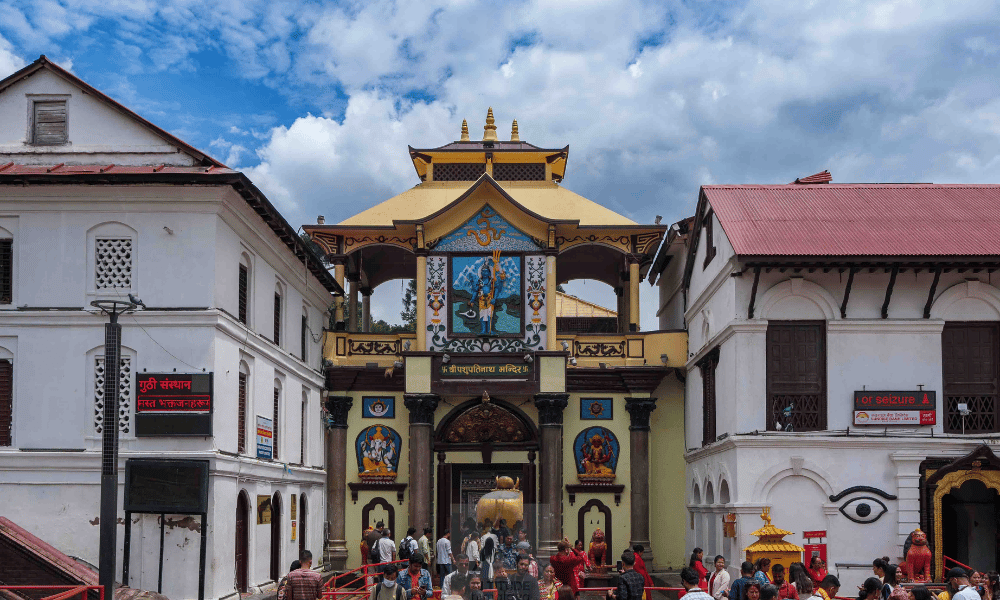
Historical Background of Pashupatinath Temple
The origins of Pashupatinath Temple are deeply rooted in Hindu mythology and Nepalese history. Legends say the site existed long before recorded history, with references found in ancient texts like the Shiva Purana. Some believe the temple was first established in the 5th century CE, while others claim it existed even earlier.
According to legend, Lord Shiva once took the form of a deer and roamed the forests of Kathmandu Valley. The gods eventually caught him, and one of his horns broke, which became enshrined at the present site of Pashupatinath. This story symbolizes the temple’s deep spiritual connection to Lord Shiva’s divine presence.
Throughout history, Nepalese kings and rulers contributed to expanding and preserving the temple. The current pagoda-style structure is believed to date back to the 17th century, though the site itself is much older. Pashupatinath has survived invasions, natural disasters, and political shifts, remaining a timeless spiritual beacon.
Architectural Splendor of Pashupatinath Temple
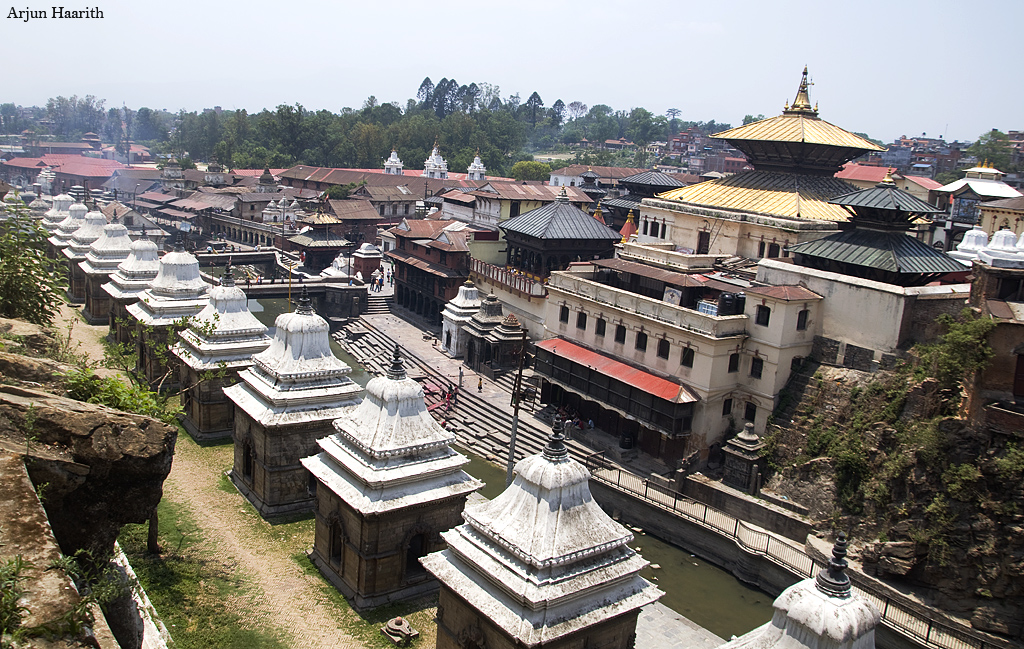
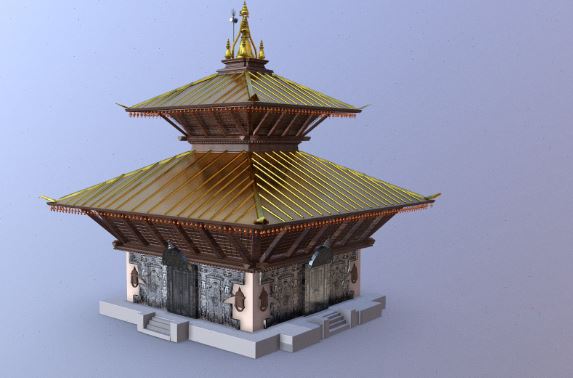
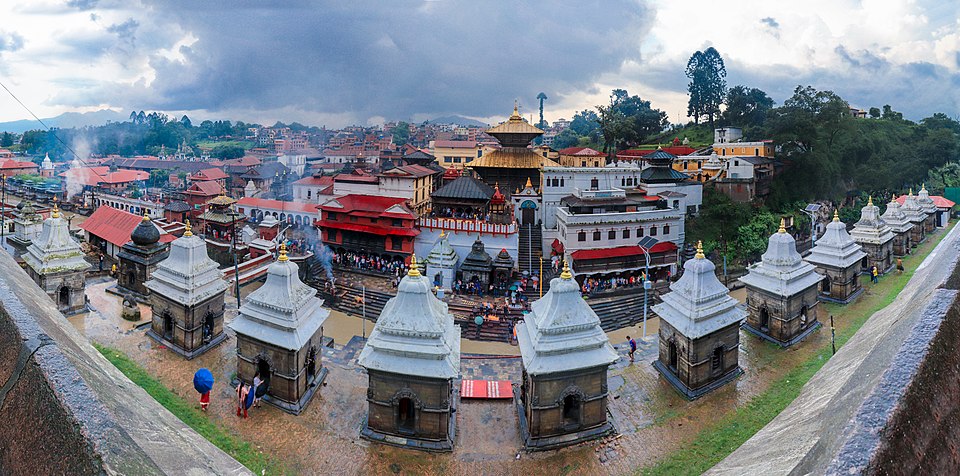
Pashupatinath Temple is a masterpiece of traditional Nepali pagoda-style architecture. The main temple has a two-tiered golden roof, intricately carved silver doors, and beautifully crafted wooden struts. The sanctum houses the sacred Shiva Lingam with four faces, each representing different aspects of Lord Shiva – creation, protection, destruction, and compassion.
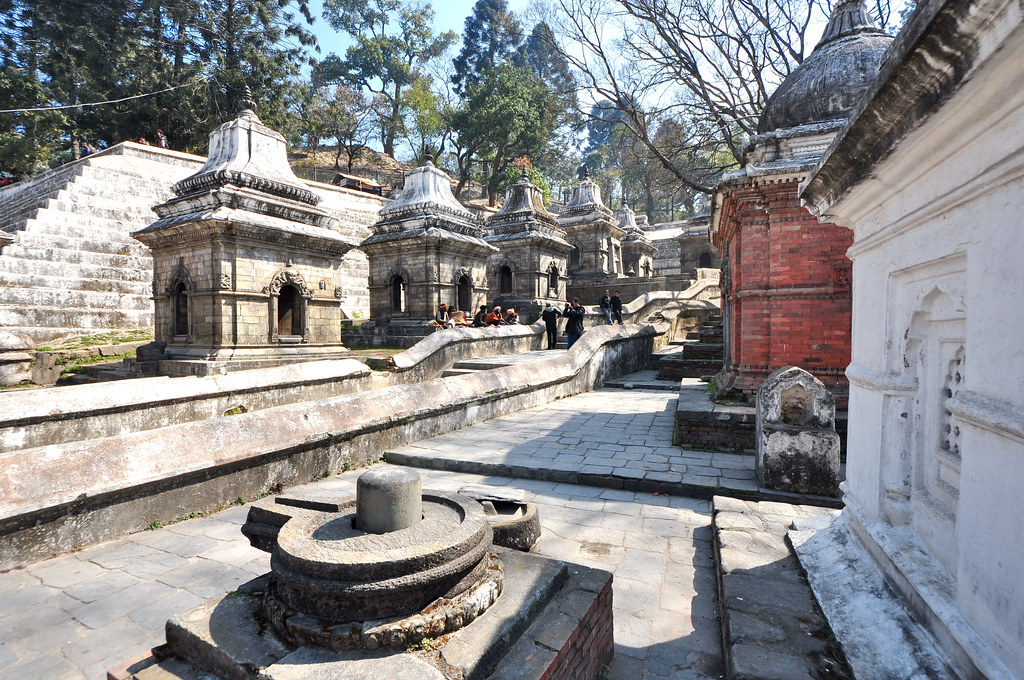
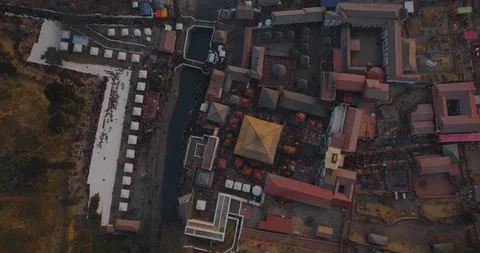
Surrounding the main shrine are hundreds of smaller temples, shrines, ashrams, and inscriptions. These include the Vasuki Nath Temple, Surya Narayan Temple, Hanuman Shrine, and many others. Each structure reflects the skill and devotion of Newar craftsmen, making the temple complex not just a place of worship but a living museum of Nepalese art and culture.
Spiritual and Religious Significance
For Hindus, Pashupatinath Temple holds unmatched importance. It is considered one of the holiest temples of Lord Shiva, and many believe that visiting the shrine ensures liberation from the cycle of birth and death (moksha). Pilgrims from Nepal, India, and around the world come to seek blessings, meditate, and experience the temple’s divine energy.
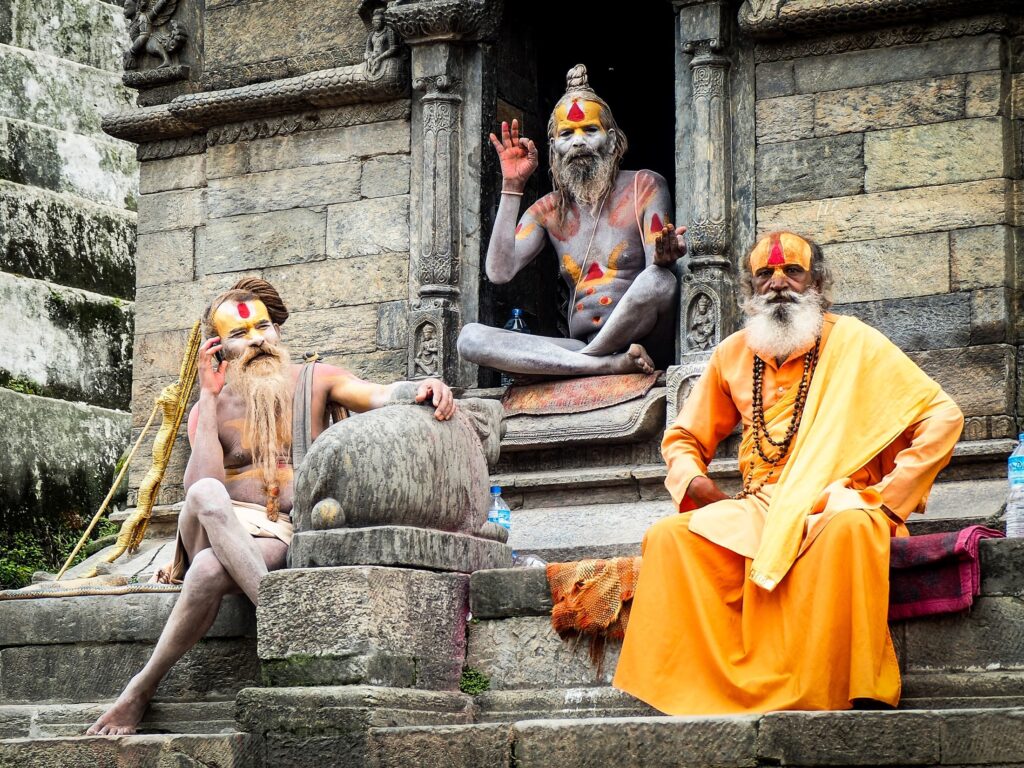
The temple is also an important center for ascetics and holy men known as sadhus. Dressed in saffron robes, with ash smeared on their bodies, they are a living reminder of the path of renunciation and devotion to Lord Shiva.
Only Hindus are allowed inside the main sanctum, but non-Hindu visitors can still experience the outer temple complex, rituals, and spiritual atmosphere.
Festivals and Celebrations
Maha Shivaratri
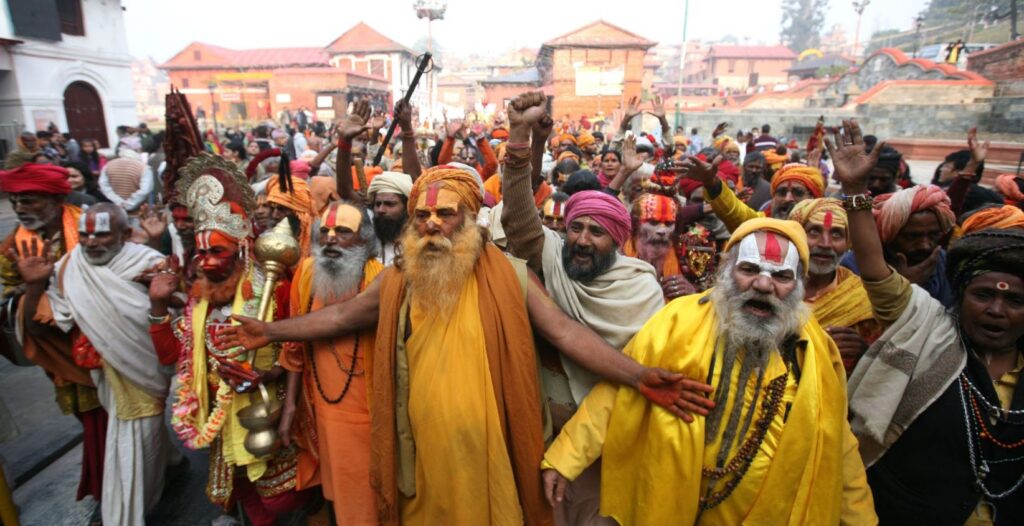
The most important festival at Pashupatinath is Maha Shivaratri, dedicated to Lord Shiva. On this night, thousands of devotees from Nepal and India gather to offer prayers, light oil lamps, and chant Shiva’s name throughout the night. The temple comes alive with processions, rituals, and cultural performances. Sadhus from all over Nepal and India assemble here, creating a unique and vibrant atmosphere.
Teej Festival
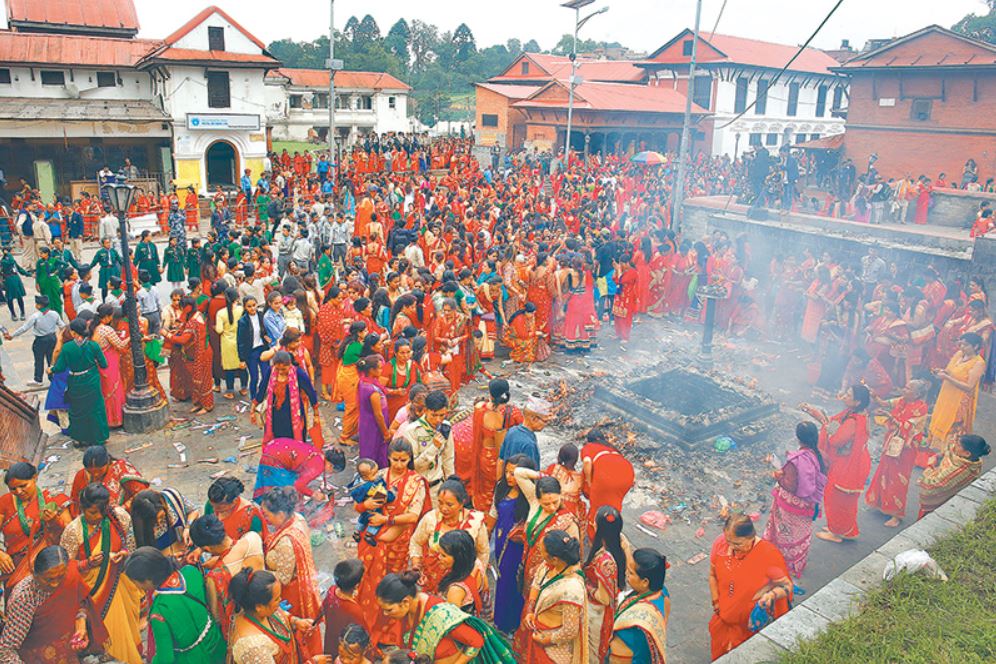
For Nepali women, Teej is a special festival celebrated at Pashupatinath. Women dress in red sarees, sing devotional songs, and fast in honor of Lord Shiva and Goddess Parvati. The temple becomes a sea of red as women pray for the well-being of their families and long, prosperous marriages.
Bala Chaturdashi
This unique ritual commemorates deceased loved ones. Devotees scatter seven types of grains (satbeej) along the temple’s sacred grounds while chanting prayers, symbolizing blessings for departed souls.
Rituals and Practices
Ganga Aarati
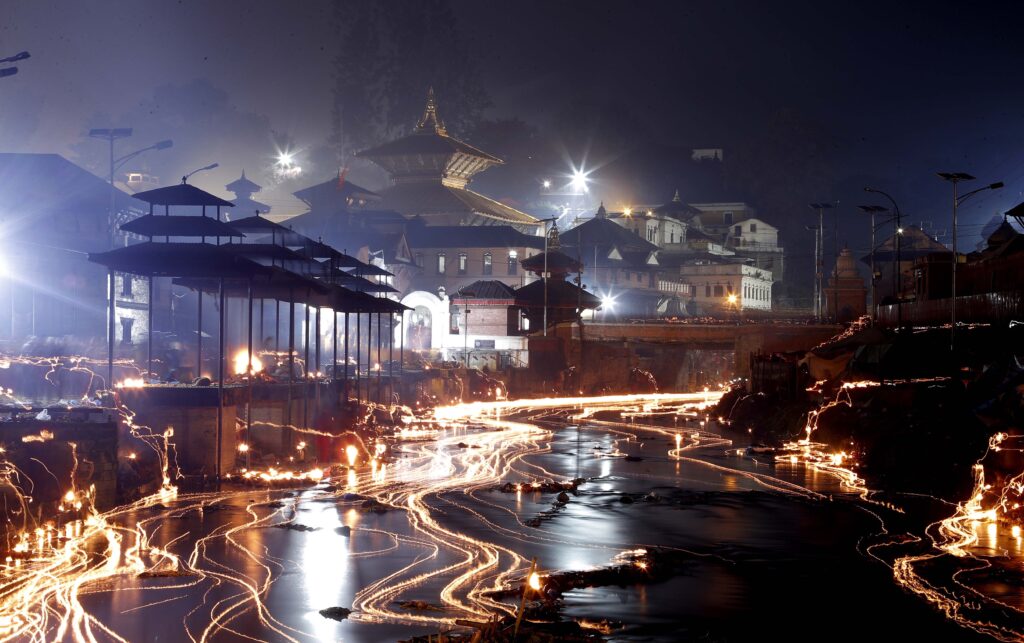
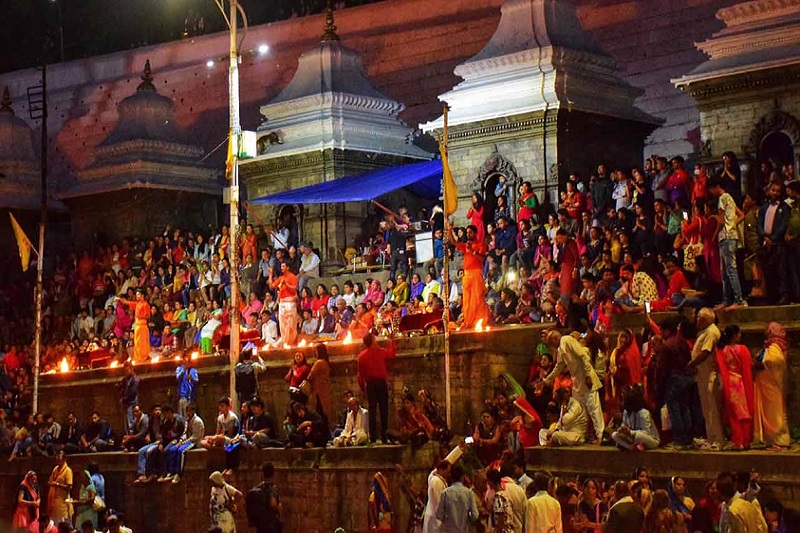
Every evening, the banks of the Bagmati River near Pashupatinath glow with the light of oil lamps during the Ganga Aarati. Priests perform rituals with fire, incense, and chants dedicated to Lord Shiva and the river goddess. The rhythmic chanting, music, and spiritual energy create an unforgettable atmosphere for devotees and visitors alike.
Cremation Ghats
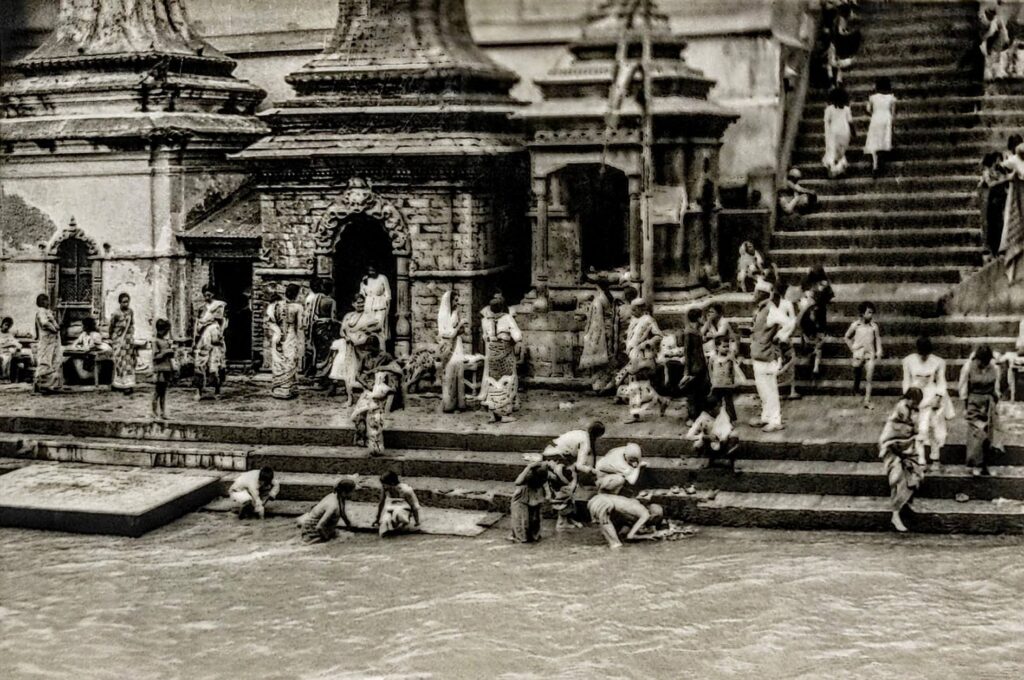
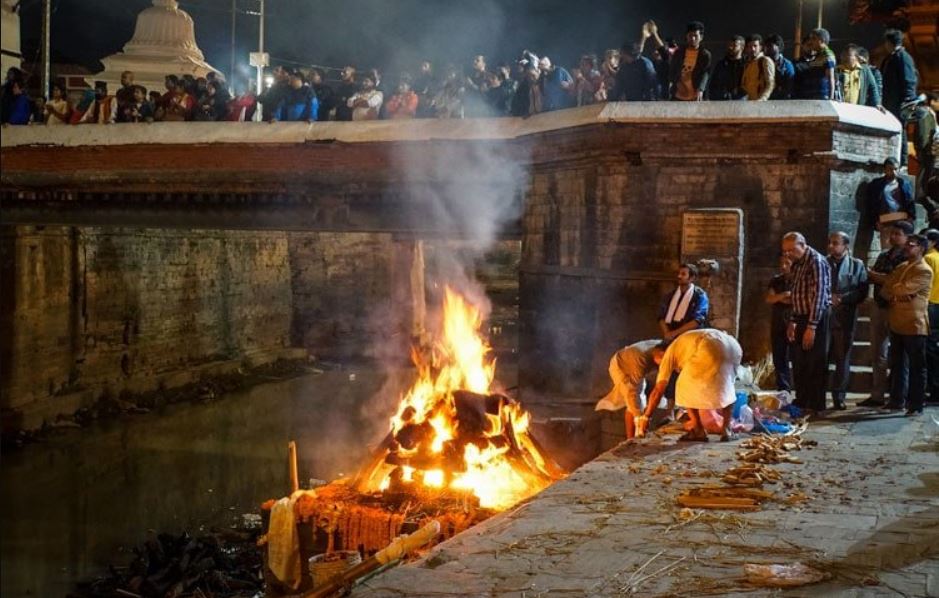
The Arya Ghat, located beside the temple, is one of the most important cremation sites for Hindus. Many believe that being cremated here and having one’s ashes scattered in the Bagmati ensures liberation of the soul. This ritual highlights the temple’s role not only in worship but also in life’s final journey.
Daily Worship
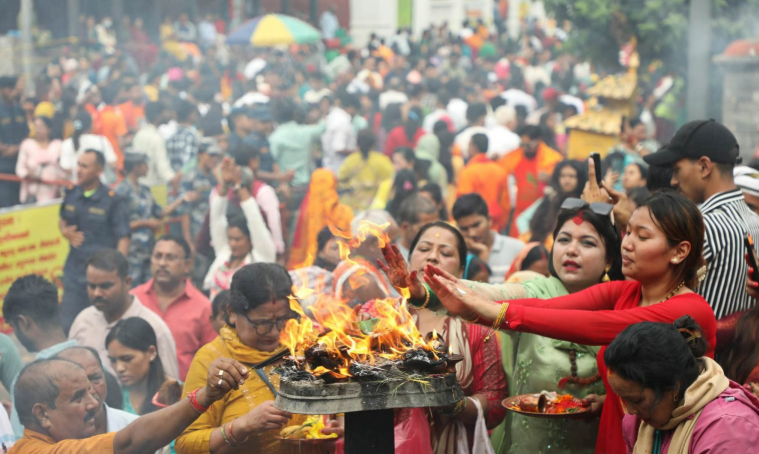
From early morning until night, priests perform rituals including Abhishek (bathing the Shiva Lingam), Arati, and chanting of Vedic mantras. The temple is always alive with spiritual activity, making every visit unique.
Cultural and Heritage Value
In 1979, UNESCO recognized Pashupatinath Temple as a World Heritage Site. It is one of the most significant heritage landmarks in Nepal, reflecting centuries of religious devotion, art, and architecture.
The temple represents the fusion of faith and culture, showing how deeply Hinduism is intertwined with Nepalese identity. It is not only a place for worship but also a center of art, music, philosophy, and traditional values.
Travel Guide for Pashupatinath Temple
Visiting Information
- Location: Gaushala, Kathmandu, about 5 km from Tribhuvan International Airport.
- Entry Fee: Free for Nepali and Indian citizens; foreign nationals pay a small fee (around NPR 1000).
- Opening Hours: 4:00 AM – West gate opens
- 8:30 AM – Idols bathed, dressed & decorated
- 9:30 AM – Baal Bhog (breakfast) offered
- 10:00 AM – 1:45 PM – Farmayishi Puja (special pujas by devotees)
- 1:50 PM – Lunch offered to the Lord
- 2:00 PM – Morning prayers end
- 5:15 PM – Evening Aarati at main temple
- 6:00 PM onward – Bagmati Ganga Aarati (popular on Mondays, Saturdays & festivals)
- 7:00 PM – Temple doors close
Travel Tips for Tourists
- Visit early morning or evening for a peaceful spiritual experience.
- During Maha Shivaratri, expect large crowds; book accommodation in advance.
- Photography is not allowed inside the main sanctum, but permitted in outer areas.
- Respect local customs, especially during cremation rituals.
- Engage with sadhus respectfully; some may expect donations for photos.
Nearby Attractions
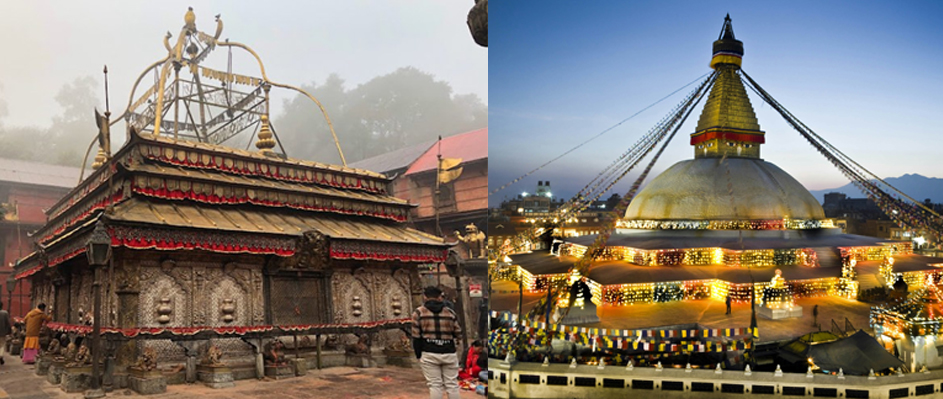
- Guhyeshwari Temple – A sacred Shakti Peeth dedicated to Goddess Parvati, located within the Pashupatinath complex.
- Boudhanath Stupa – One of the largest Buddhist stupas in the world, located a short drive away
Amazing Facts
1. Oldest Hindu Temple in Kathmandu, 2.UNESCO World Heritage Site, 3. Only Hindus Can Enter the Main Sanctum, 4. Sacred Shiva Lingam with Four Faces, 5. Lord Shiva’s Deer Legend, 6. Most Important Cremation Site in Nepal, 7. Maha Shivaratri Festival, 8. Evening Ganga Aarati, 9. Home to Thousands of Sadhus, 10. Symbol of Nepalese Art and Architecture
Conclusion
Pashupatinath Temple is more than just a religious site – it is a living embodiment of Nepal’s faith, culture, and history. From its legendary origins and stunning architecture to its vibrant festivals and daily rituals, the temple remains the heart of Hindu devotion in Nepal.
Whether you are a pilgrim seeking spiritual blessings or a traveler exploring Nepal’s cultural heritage, a visit to Pashupatinath Temple offers an unforgettable journey into the sacred soul of Kathmandu.
Pingback:Boudhanath Stupa-A Complete Guide for Tourists for visiting.